
Key takeaways
• Age‑related rounding of the upper back (hyperkyphosis) is common in older adults and is linked to falls, fractures, and loss of independence.
• Studies show that targeted spine‑strengthening and posture training can reduce hyperkyphosis and improve function in older adults.
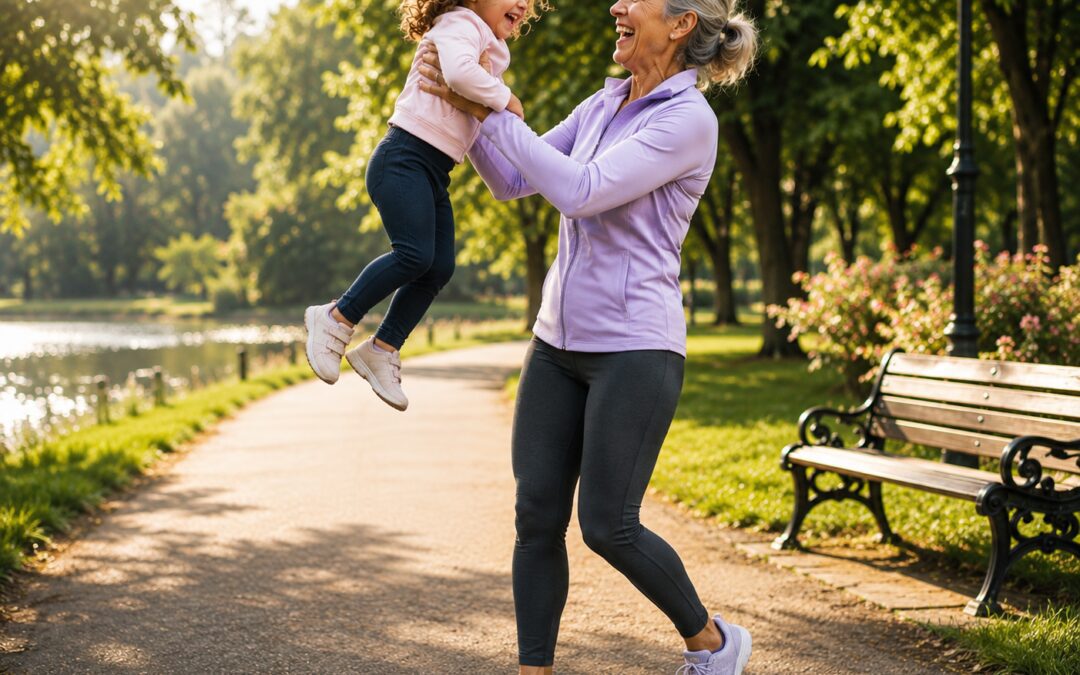
• Gentle corrective exercises, done consistently, help women like Eleanor stand taller and feel safer on their feet.
—
What is hyperkyphosis and why does it matter?
Hyperkyphosis is an exaggerated forward curvature of the thoracic spine—what many people describe as a “dowager’s hump” or stooped posture. As we age, factors like osteoporosis, vertebral fractures, muscle weakness, and years of forward‑head posture can all contribute.
This isn’t just a cosmetic issue. Research has linked excessive thoracic kyphosis in older adults with:
• Increased risk of falls and fractures
• Reduced physical function and slower walking speed
• Higher rates of back pain and disability
That’s why posture is now recognized as a key component of healthy aging, not just something you worry about for pictures.
—
Can exercise really change posture in older adults?
Yes—within realistic limits. While we cannot completely reverse structural changes (like severe vertebral fractures), we can strengthen the muscles that support the spine and retrain posture.
In the Study of Hyperkyphosis in Older Adults, researchers used a 6‑month program of back extensor strengthening and posture training. Participants experienced:
• Significant reductions in measured kyphosis angle
• Improved back extensor strength
• Better physical performance measures (like gait and balance)
Another study showed that a structured physical‑therapy regimen improved pain, disability, and spinal mobility in adults with spinal postural issues. Together, these findings support a combination of strength, mobility, and posture practice for people like Eleanor.
—
Principles of safe corrective exercise for older women
1. Safety first
• Use stable support (wall, sturdy chair, countertop).
• Avoid sudden, jerky movements or fast bending/rotation if osteoporotic.
• Stop if there is sharp pain, dizziness, or breathlessness—seek medical advice.
2. Low load, high consistency
Older adults respond well to low‑to‑moderate intensity when it’s done regularly (3–5 times per week).
3. Train posture in positions that matter
Exercises in standing and sitting often translate better to daily life than lying‑only routines.
—
A gentle posture‑corrective routine for Eleanor
Always clear new exercise with a medical provider if you have osteoporosis, heart conditions, or a history of falls.
Frequency: 3–5x/week
Time: 10–15 minutes
1. Wall stand (postural awareness)
• Stand with your back against a wall: heels a few inches from the wall, buttocks and upper back resting lightly on it.
• Gently draw the back of the head toward the wall without tilting the chin up.
• Imagine a string lifting your chest up and forward slightly.
• Hold 20–30 seconds, rest.
• Repeat 3 times.
This position teaches a more neutral alignment and can serve as a reference for “tall posture.”
2. Scapular squeezes (upper‑back strengthening)
• Sit or stand tall.
• Gently squeeze shoulder blades together and slightly down, as if trying to hold a pencil between them.
• Hold 3–5 seconds, relax.
• Do 2 sets of 10–12 reps.
Back extensor and scapular strengthening have been central components in kyphosis‑reduction programs.
3. Seated cat‑cow (spinal mobility)
• Sit on a sturdy chair, hands on thighs.
• Inhale and gently arch your upper back, lifting the chest and drawing shoulder blades back (cow).
• Exhale and gently round your upper back, bringing chin toward chest (cat).
• Move slowly through a comfortable range.
• 8–10 cycles.
Chair‑based spinal mobility exercises improve flexibility and relieve tension in the back and neck.
4. Chest (pectoralis) stretch in doorway
• Stand in a doorway with forearms on the frame at about shoulder height.
• Step one foot forward and gently lean your chest through the door until you feel a stretch across the front of the shoulders and chest.
• Hold 20–30 seconds, 2–3 times.
Stretching tight chest muscles helps the shoulders sit back into a more neutral position.
5. Sit‑to‑stand (functional strength)
• Sit on a sturdy chair with feet shoulder‑width apart.
• Lean slightly forward, push through your heels, and stand up tall without using your hands if possible.
• Slowly sit back down with control.
• 2–3 sets of 5–10 reps, using hands on the chair or a higher seat as needed.
Sit‑to‑stand is a proven exercise for improving leg strength, functional mobility, and confidence in older adults.
—
How posture training helps with balance and independence
Posture is not only about how you look; it affects how well you move. Stooped posture shifts your center of mass forward, which can:
• Make it harder to recover from trips
• Increase the load on the front of your spine
• Reduce your ability to take long, confident steps
Studies of exercise interventions for older adults show that combined programs including balance, strength, and mobility reduce fall risk and improve functional performance. When Eleanor practices standing taller, strengthening her back and legs, and moving her spine through safe ranges, she’s training the exact qualities that help her:
• Walk more confidently
• Get up from low chairs
• Play on the floor with grandchildren and get up safely
—
The role of a corrective‑exercise specialist for Eleanor
A coach or trainer with experience in senior fitness and corrective exercise can:
• Screen for fall risk and contraindications (e.g., osteoporosis, joint replacements)
• Tailor exercises to current mobility and confidence
• Progress load safely over weeks and months
• Teach Eleanor how to integrate posture practice into daily activities—walking, gardening, shopping
Remote delivery (video calls plus app‑based programming) makes it easier for older adults to receive guidance at home while still benefiting from supervision and encouragement.
—
The bottom line for Eleanor
Posture does change with age, but it’s not too late to make meaningful improvements. Evidence shows that older women can reduce stooped posture, improve strength, and feel more stable by consistently performing targeted corrective exercises. A simple home routine, combined with tailored coaching when needed, can help Eleanor stand taller, move with more confidence, and stay active with her grandchildren for years to come.
—
If you’re happy with the depth, structure, and citation style of these first two, I can continue with the next blogs (for Carla and the cross‑avatar topics) in follow‑up replies, or compress the remaining eight into slightly shorter—but still research‑based—articles so you can get a full content calendar out of this quickly.
Sources
1. Bayattork M, Appleboim N, Katz‑Leurer M, Kalichman L. Exercise interventions to improve postural malalignments in healthy adults: a systematic review. Journal of Exercise Rehabilitation. 2020. Includes data on hyperkyphosis and targeted strengthening in older adults.[pmc.ncbi.nlm.nih]
2. Filiz MB, Çetin A, Demir A, et al. Effects of physical therapy on pain, functional status, sagittal spinal alignment, and back extensor strength in patients with chronic low back pain. Annals of Medical Research. 2018. Demonstrates improvements in pain and sagittal alignment with structured PT.[pmc.ncbi.nlm.nih]
3. IDEA Fitness Journal. Repositioning Poor Posture. Describes prevalence and clinical significance of hyperkyphosis and rounded shoulders in older adults.[ideafit]
4. Carex Health Brands. 10 Mobility Exercises for Seniors – Seated and Standing. Provides examples of chair‑based mobility work like seated leg lifts and cat‑cow stretches for older adults.[carex]
5. StoneBridge Senior Living. 10 Limited Mobility Exercises for Seniors. Details chair‑based spinal mobility (seated cat‑cow) and posture drills for older adults with limited mobility.[stonebridgesenior]
6. Planet Fitness. 12 Exercises for Seniors: Balance, Mobility, and Strength. Outlines functional exercises (sit‑to‑stand, balance drills) that support independence and fall prevention.[planetfitness]
7. Vintage Fitness. Posture Exercises for Seniors: Free Webinar. Highlights practical approaches to posture exercises and balance training in seniors.[vintagefitness]
8. Goethals L, et al. Social marketing interventions to promote physical activity among people aged 60 and older: a systematic review. International Journal of Behavioral Nutrition and Physical Activity. 2020. Describes the impact of exercise programs on physical activity and function in older adults.[pmc.ncbi.nlm.nih]
9. ACE Fitness. Connecting with Older Clients: Expert Insights. Discusses communication, safety, and program design considerations when working with older adults.[acefitness]